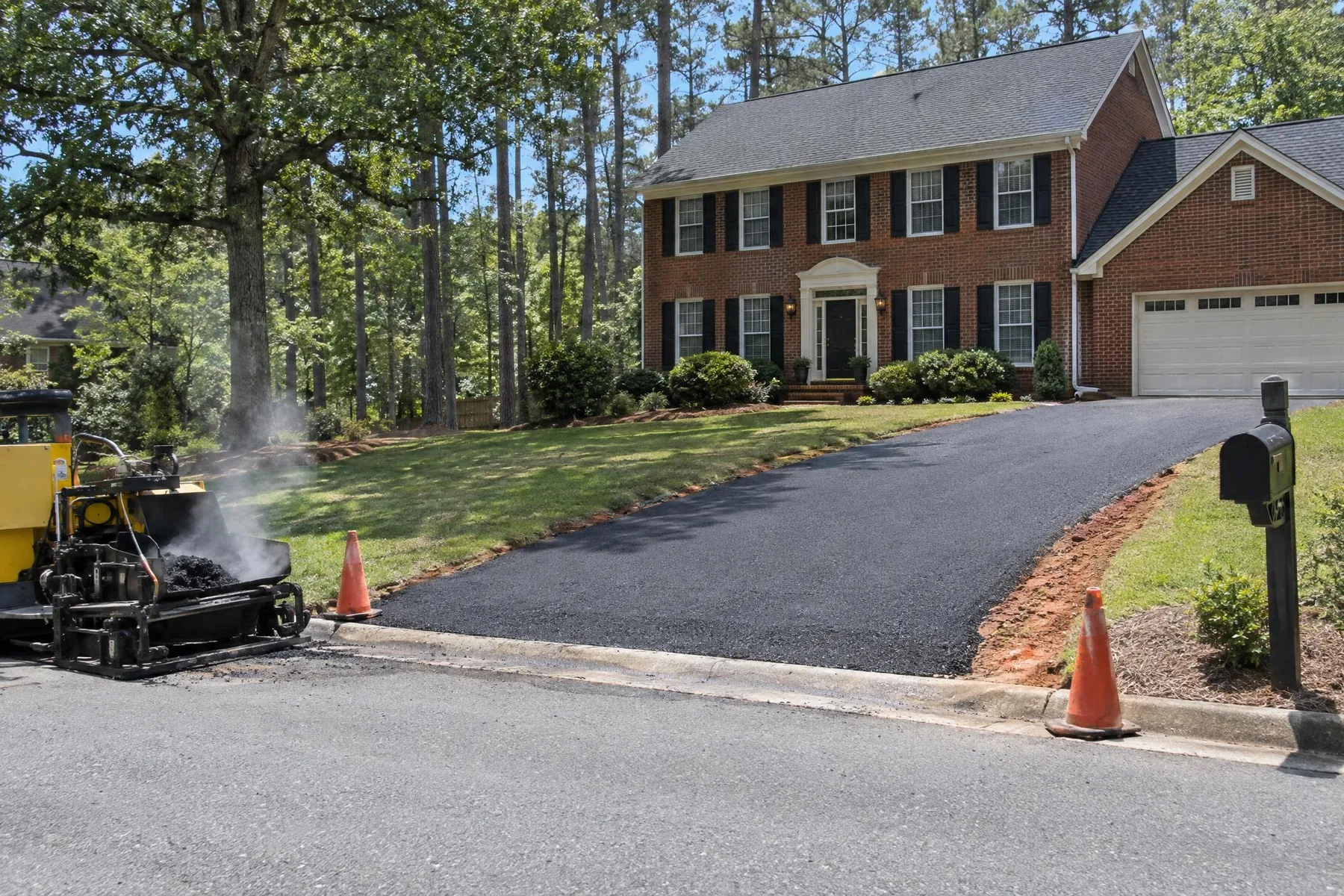
Driveways in this area usually fail from underneath, because soft clay beneath thin stone cannot carry a parked car year after year. Our answer is hot mix on a deep layer of compacted stone, sloped to push rain out to the street instead of into the garage. The bid lists base work on its own line and states how thick the asphalt will be once rolled. Edges are shaped by hand, and the apron is blended into the street so cars roll in without scraping.
When tenants complain about potholes or residents complain about a rutted entrance, the lot has become a business problem. We pave and repave commercial, HOA and community lots, correcting drainage before laying new surface and breaking the work into sections so that part of the property is always open. Striping, accessible spaces and fire lanes go on last. Managers and boards get one written schedule that shows which section closes on which day, with notices ready to hand out to tenants or residents.
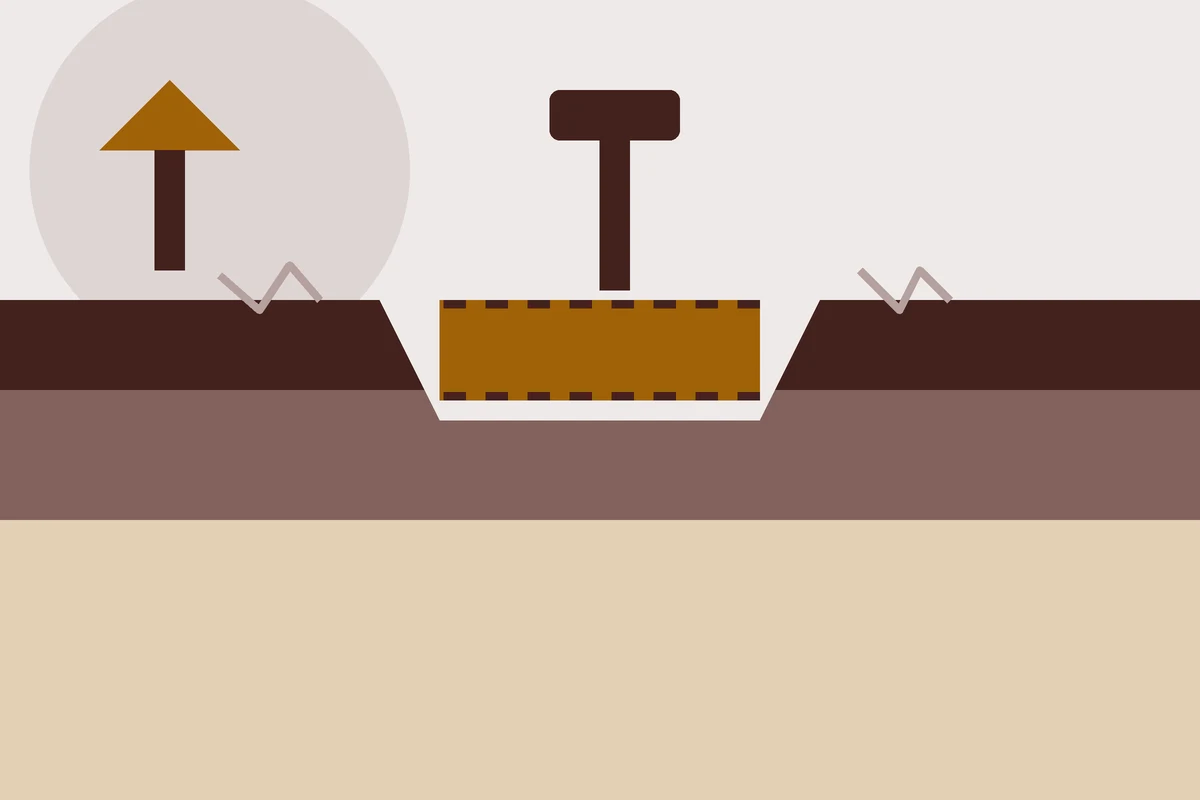
Water gets into a crack, freezes overnight and pries it wider, and by late winter the crack is a pothole. We repair cracks, potholes, crumbling edges and sunken utility cuts by sawing out the damage, rebuilding the stone beneath and compacting new mix flush with its surroundings. Early repairs cost a small share of a replacement. Each damaged spot appears as its own line in the estimate, so you know what every fix costs before approving it. Low spots that hold water get leveled in the same visit.
Asphalt Resurfacing
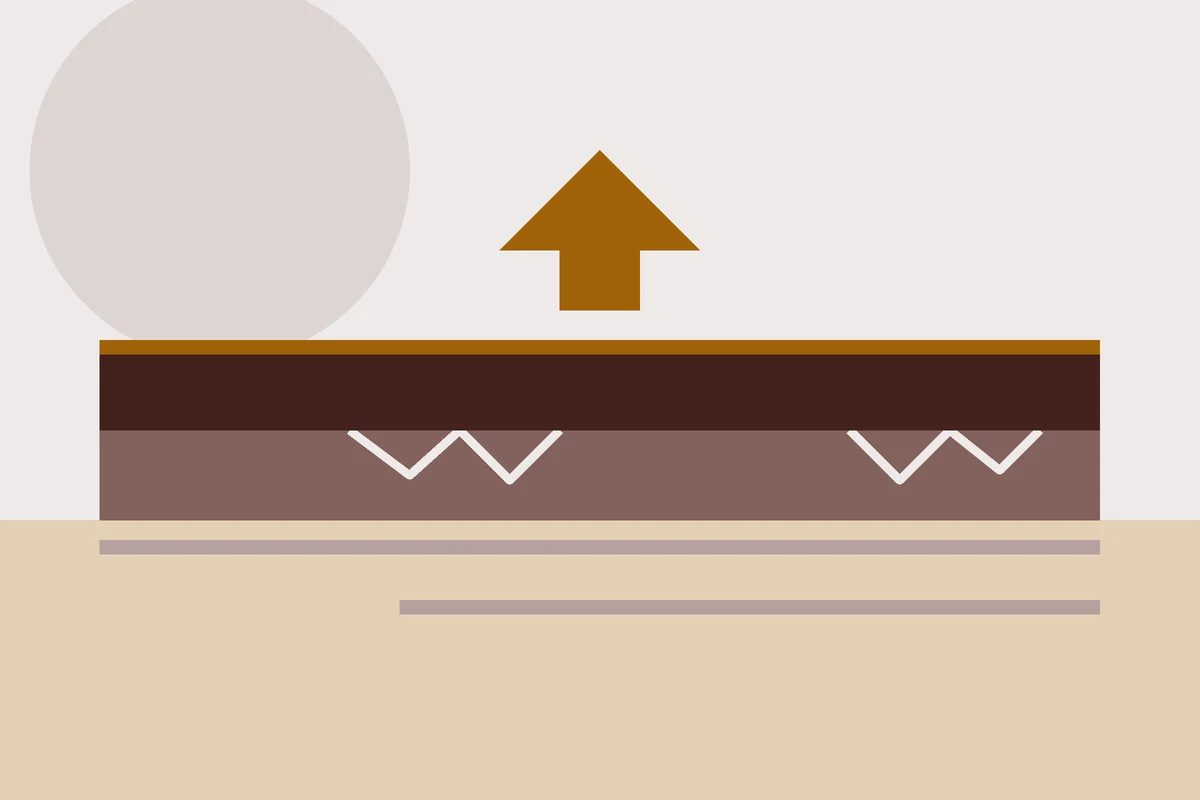
A faded, rough surface over a firm base does not need replacing, only a new top. We lay an overlay about 1.5 to 2 inches thick on pavement that has been cleaned and repaired, which returns a smooth, dark finish for far less than a full rebuild. The base gets tested first, since an overlay on soft ground fails along with it. Cracks are routed and filled beforehand, the edges are shaped to shed water, and we say so plainly when a surface has gone too far for an overlay.
Asphalt Sealcoating
Sunlight, oil and rain slowly strip the binder out of asphalt, and a protective sealcoat puts a barrier back on top. Our crew cleans the pavement, fills the cracks and rolls on the sealer in even coats. It costs a small portion of what replacement does and pays off most while the surface is still sound. Oil stains are primed, because sealer will not bond over grease. Lots are coated in sections, and the estimate names the number of coats and how long to stay off.
Parking Lot Striping
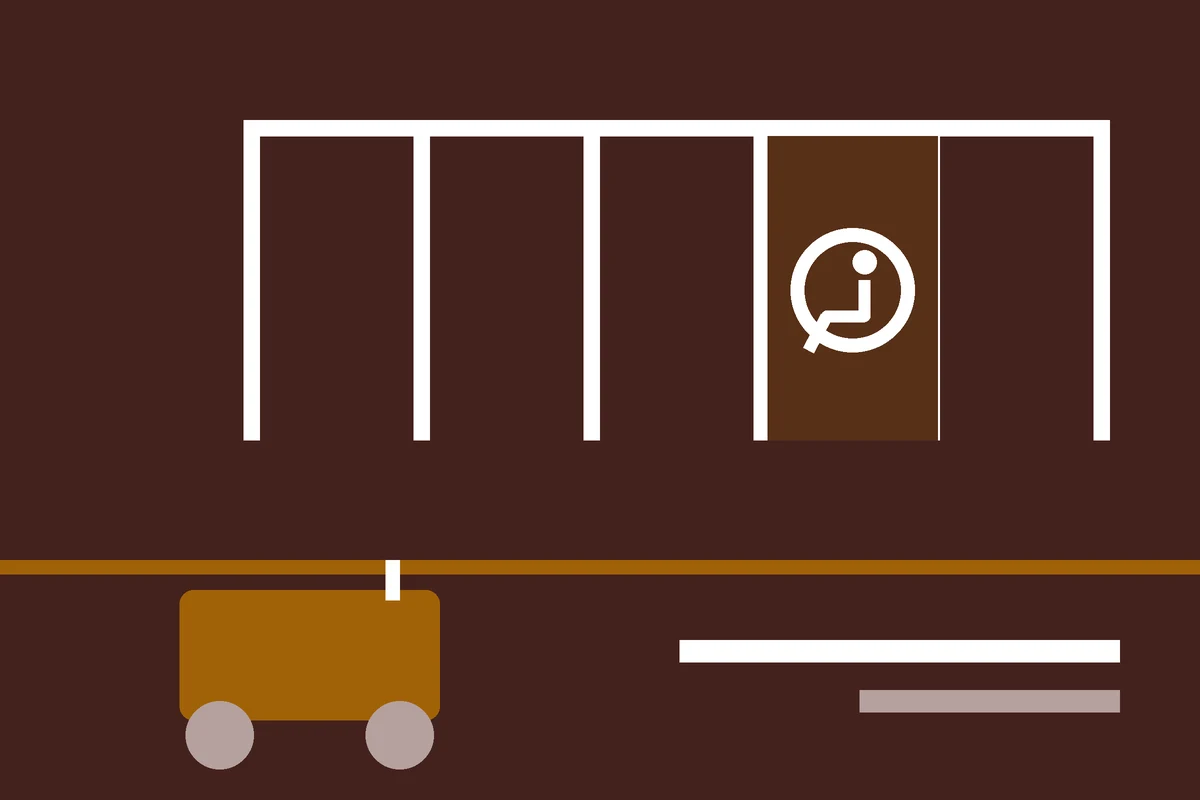
Lines that have worn away leave drivers guessing and make a lot look abandoned. We paint parking spaces, arrows, fire lanes and accessible bays on new lots and old ones. Chalk lines go down first, so the layout can be checked against your plan before paint leaves the machine. Striping follows new paving or a sealcoat, and a busy lot can be restriped one section at a time while customers keep parking. Faded accessible spaces are a risk for the owner, and fresh markings remove it.